Table of Contents
Suicidal behaviors such as drug abuse, limiting or binge eating, careless auto driving, or high-risk impulsive habits are different from self-harming behaviors however are additionally seen in customers with a background of trauma. Self-destructive actions differ from self-harming behaviors in that there may be no instant negative effect of the habits on the individual; they differ from suicidal actions because there is no intent to trigger fatality in the short-term.
They need to think about looking for specialized guidance on just how to take care of such clients properly and safely and just how to manage their feelings regarding these concerns. The adhering to tips assume that the therapist has had sufficient training and experience to deal with customers who are self-injurious. To respond suitably to a client that participates in self-harm, therapists should: Screen the client for self-harm and suicide danger at the initial assessment and throughout treatment.
Teach the customer coping abilities that boost his or her management of emotions without self-harm. Assist the client get the degree of treatment required to handle genuine danger of suicide or serious self-injury. This might consist of hospitalization, even more intensive programs (e.g., extensive outpatient, partial hospitalization, property therapy), or more constant treatment sessions.
Help the customer determine just how substance use impacts self-harm. Sometimes, it can increase the habits (e.g., alcohol disinhibits the customer, who is after that more probable to self-harm). In other instances, it can decrease the behavior (e.g., heroin stimulates relaxation and, hence, can minimize the impulse to self-harm). Continue to assist the customer understand exactly how abstinence from compounds is required so that he or she can learn extra adaptive coping.
Healing Layered Trauma with EMDR Treatment
People are affected by injury in different methods; consequently, safety and security or a risk-free environment may mean something completely various from a single person to the next. Allow the customer to define what security means to him or her. Counselors can likewise aid the client prepare a safety card that the customer can bring at all times.
The therapist can talk about with the client the kinds of indicators or crises that might require using the numbers on the card. Additionally, the counselor could talk to the client every so often to validate that the information on the card is current. POINTER 50, Attending To Self-destructive Thoughts and Behaviors in Substance Misuse Therapy (CSAT, 2009a), has instances of safety and security arrangements especially for self-destructive customers and discusses their usages in even more detail.
Dual Attention Processing during EMDR Sessions

Material use usually is started or raised after injury. Customers in early recovery specifically those that develop PTSD or have it reactivatedhave a greater relapse danger if they experience a trauma.
When the substances are taken out, the survivor may make use of various other actions to self-soothe, self-medicate, or stay clear of emotions. People start to stay clear of individuals, areas, or scenarios to reduce undesirable emotions, memories, or situations.
An additional person might stay clear of jampacked places in anxiety of an assault or to circumvent strong psychological memories regarding an earlier assault that occurred in a jampacked location. Evasion can can be found in numerous kinds. When individuals can't endure strong affects associated with traumatic memories, they avoid, task, refute, or distort their trauma-related emotional and cognitive experiences.
Bilateral Processing within EMDR Sessions
Often, injury survivors really feel embarrassed of their stress reactions, which additionally hinders their capability to use their support group and sources appropriately. Numerous survivors of youth abuse and social physical violence have experienced a substantial feeling of dishonesty. They have actually usually experienced trauma at the hands of relied on caretakers and relative or through substantial connections.
Each age is vulnerable in special means to the anxieties of a calamity, with kids and the senior at biggest risk. Young kids might present generalized worry, headaches, increased arousal and confusion, and physical symptoms, (e.g., stomachaches, frustrations). School-age kids may display signs such as hostile behavior and rage, regression to behavior seen at younger ages, repetitious stressful play, loss of capacity to concentrate, and even worse college efficiency.
( 2008 ) found that the neuropeptide oxytocin crucial for social association and support, attachment, trust fund, and monitoring of tension and anxietywas noticeably reduced in the cerebrospinal liquid of ladies that had been exposed to youth abuse, especially those who had experienced emotional misuse. The more childhood years traumas a person had experienced, and the longer their period, the reduced that individual's present level of oxytocin was likely to be and the greater her score of present anxiety was likely to be.
Success Rates of EMDR and Accelerated Resolution Therapy
( 2006 ) verified that the risk of negative outcomes in affective, somatic, chemical abuse, memory, sexual, and aggression-related domains increased as ratings on an action of eight ACEs enhanced. The researchers ended that the association of research study scores with these outcomes can function as an academic parallel for the results of collective direct exposure to stress on the creating mind and for the resulting disability seen in multiple mind frameworks and features.
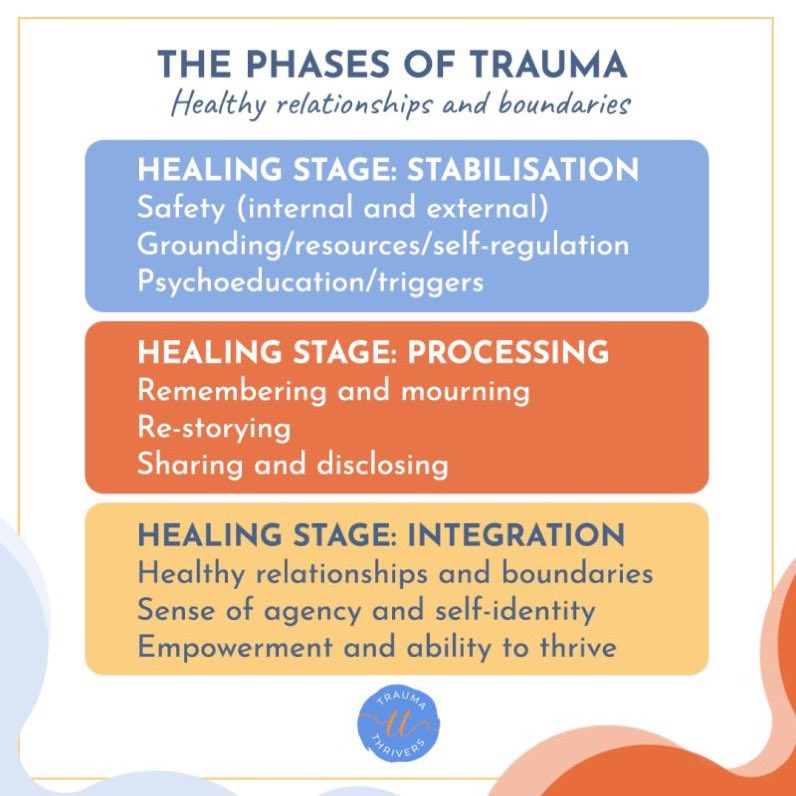
Materials are offered for counselors, instructors, parents, and caregivers. There are special areas on the requirements of children in army families and on the impact of all-natural catastrophes on children's mental health and wellness. Numerous injury survivors experience signs that, although they do not satisfy the diagnostic criteria for ASD or PTSD, however restrict their capability to work generally (e.g., manage moods, preserve constant and gratifying social and family members connections, function competently at a job, maintain a consistent pattern of abstaining in healing).

Navigation
Latest Posts
The Role of IFS in Transforming Professional Identity
How Clients Can Expect in an experienced EMDR-trained Provider
Combining between Insight-Oriented Work and Mindfulness for Child therapy